Speciality department
Neurology
Stroke, epilepsy, headache and movement disorders.
Clinical overview
About the department
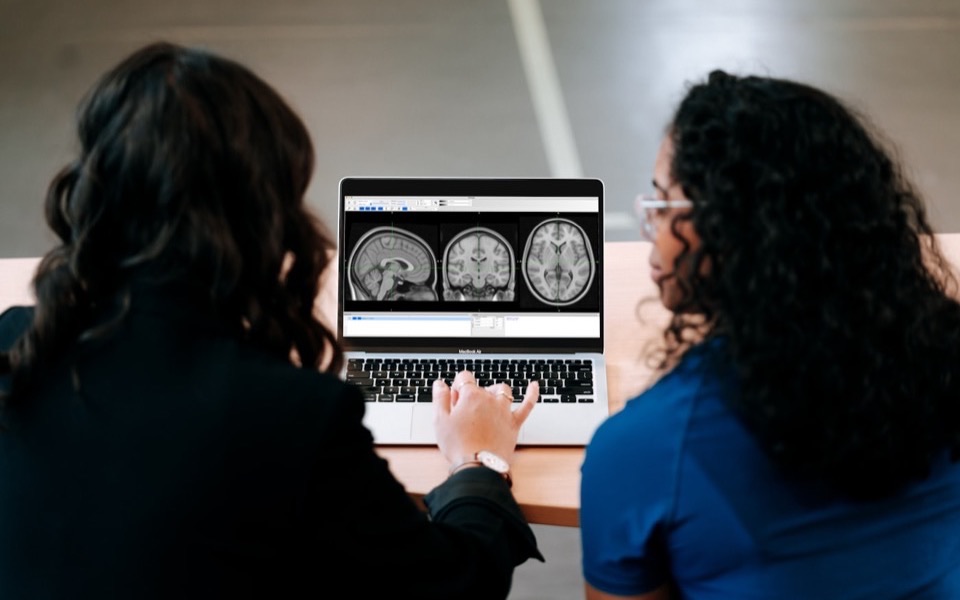
The neurology department at Allergy Asthma Foundation diagnoses and treats conditions of the brain, spinal cord, nerves and muscles. We care for people with sudden problems such as a stroke, with episodic conditions such as epilepsy and migraine, and with progressive conditions such as Parkinson's disease. Neurologists, stroke physicians, specialist nurses and rehabilitation therapists plan care together.
Every AAF centre offers same-week outpatient review, round-the-clock CT and MRI access, and a rapid stroke pathway that moves a patient from arrival to scan and treatment as quickly as possible, because in stroke, time saved is brain saved.
Conditions we care for
The department manages a wide range of neurological problems, including:
- Stroke and transient ischaemic attack (mini-stroke)
- Epilepsy and other causes of blackouts and seizures
- Migraine and other chronic headache disorders
- Parkinson's disease and other movement disorders, including tremor
- Multiple sclerosis and related conditions
- Numbness, tingling and weakness from nerve problems
- Dizziness and balance disorders
- Memory problems and suspected dementia
- Nerve and muscle diseases such as neuropathy and myasthenia
Tests and treatments
Diagnosis
- Detailed neurological examination
- CT and MRI scanning of the brain and spine
- Electroencephalography (EEG) for seizures
- Nerve conduction studies and electromyography for nerve and muscle problems
- Blood tests and, where needed, a lumbar puncture
Treatment and support
- Medicines for epilepsy, migraine, Parkinson's disease and nerve pain
- Clot-busting and clot-retrieval pathways for acute stroke
- Botulinum toxin clinics for chronic migraine and spasticity
- Stroke rehabilitation with physiotherapy, occupational therapy and speech therapy
- Secondary prevention clinics to lower the risk of a further stroke
What happens at your first visit
- The neurologist takes a careful history of your symptoms, when they happen and how they have changed.
- You have a neurological examination of strength, sensation, balance, reflexes and coordination.
- Scans or other tests are arranged, often on the same day where possible.
- The likely diagnosis and the plan are explained in plain language.
- A written summary is shared with you and your family doctor.
How to prepare for your appointment
- Bring a list of your medicines and any recent changes to them.
- Bring previous brain or spine scans and reports if you have them.
- Ask someone who has seen your symptoms, such as a seizure or a tremor, to come with you or to record a short video.
- Keep a simple diary of headaches, dizzy spells or blackouts, with dates and triggers.
- Do not stop epilepsy or Parkinson's medicines without medical advice.
Care alongside other departments
Neurological conditions often involve the whole body. We work with cardiology on the heart rhythm problems that can cause a stroke, with general medicine on diabetes and blood pressure, with the imaging team for urgent scans, and with physiotherapy and occupational therapy for recovery after a stroke or with a progressive condition. For younger patients, we share care with the paediatric team.
When to seek help immediately
Call for an ambulance at once if someone suddenly has:
- Drooping of the face on one side
- Weakness in one arm or leg, or numbness down one side
- Slurred or muddled speech, or difficulty understanding others
- Sudden loss of vision, severe dizziness or loss of balance
- The worst headache of their life, or a seizure that does not stop
These are signs of a possible stroke or other emergency. Do not wait to see if they pass.
Questions patients ask
Do I need a referral?
No. You can book a neurology consultation directly, though a referral letter and past scan reports help the neurologist prepare.
Are brain scans safe?
MRI uses no radiation. CT uses a low dose, kept to the minimum needed. Our team will explain why a particular scan is being recommended.
Will I need to take medicine for life?
It depends on the condition. Some problems settle and treatment can be reduced; others, such as epilepsy or Parkinson's disease, are managed long term with regular review to keep the dose right.
To arrange a neurology review at your nearest AAF centre, book online or request a callback and our coordinators will help you find a time.
The team
Consultants in Neurology
Clinical pathways
Treatments & procedures
Evidence-based protocols delivered by the Neurology team, with clear preparation guidance for every patient.
Procedure protocols under review
Standardised treatment pathways for this department are being indexed against the latest NABH clinical protocols.
Prompt consultation access
Speak to the Neurology team
Consult a senior specialist at Kannur, or schedule a comprehensive check-up for yourself or a family member.
Neurology desk: +91 484 000 0000 · 24×7 helpline