Speciality department
Pulmonology & Critical Care
Comprehensive lung and airway care addressing chronic refractory asthma, COPD, pulmonary fibrosis and respiratory crises using precision diagnostics and a dedicated respiratory ICU.
Clinical overview
About the department
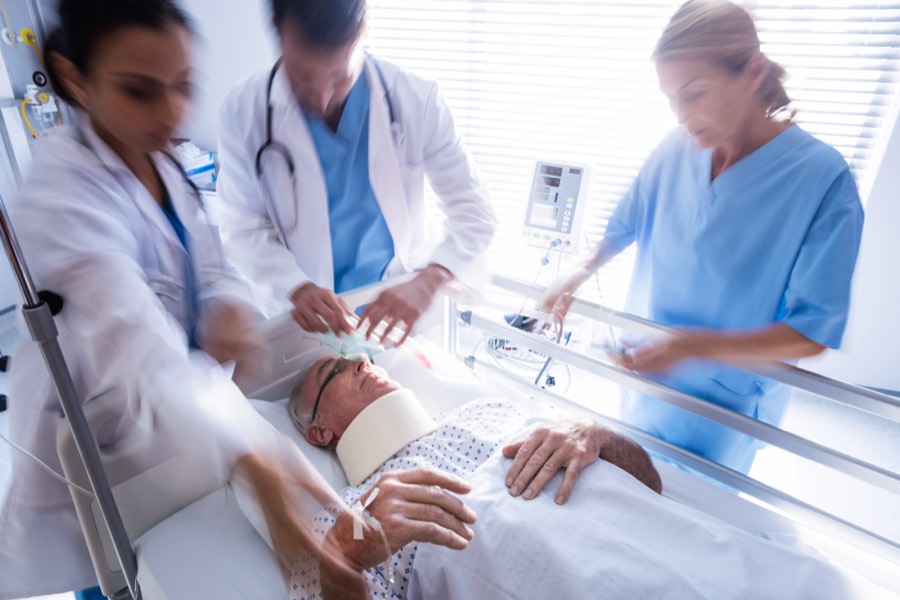
The pulmonology and critical care department at Allergy Asthma Foundation looks after the lungs and airways, from difficult-to-control asthma and long-term smoking-related disease to scarring of the lungs and sudden breathing emergencies. Chest physicians, respiratory therapists, specialist nurses and a critical-care team work together, supported by a bronchoscopy suite, a full lung function laboratory and a respiratory intensive care unit.
Every AAF centre offers same-week outpatient review, on-site lung function and imaging, and a round-the-clock pathway for severe breathlessness, with non-invasive ventilation available on the ward and in intensive care.
Conditions we care for
The team manages the full range of lung and airway disease, including:
- Asthma, including severe and difficult-to-treat asthma
- Chronic obstructive pulmonary disease (COPD) and chronic bronchitis
- Interstitial lung disease and pulmonary fibrosis
- Recurrent chest infections, bronchiectasis and tuberculosis
- Persistent cough and unexplained breathlessness
- Pleural disease, including fluid around the lung
- Obstructive sleep apnoea and other sleep-related breathing problems
- Lung nodules and abnormal chest X-ray or CT findings
- Breathing failure needing oxygen or ventilation support
Tests and treatments
Diagnosis
- Spirometry and full lung function testing
- FeNO (exhaled nitric oxide) and airway inflammation testing
- Allergy testing where an allergic trigger is suspected
- Low-dose CT of the chest and, where needed, image-guided lung biopsy
- Overnight sleep studies
- Video bronchoscopy to look inside the airways and take samples
Treatment and support
- Inhaler technique review and personalised action plans
- Biologic therapy for severe allergic and eosinophilic asthma
- Pulmonary rehabilitation and breathing retraining
- Home oxygen assessment and non-invasive ventilation
- CPAP therapy for obstructive sleep apnoea
- Pleural procedures to drain fluid and relieve breathlessness
What happens at your first visit
- The chest physician asks about your breathing, cough, sleep, occupation and smoking history, and any triggers you have noticed.
- You have a chest examination and, usually, spirometry during the same visit.
- A chest X-ray, CT or blood tests are arranged where they will help.
- The likely diagnosis and a written treatment plan are explained to you.
- Your inhalers and technique are checked before you leave.
How to prepare for your appointment
- Bring every inhaler and spacer you use, plus a list of your other medicines.
- Bring previous chest X-rays, CT scans, lung function results and discharge summaries.
- For lung function testing, avoid a heavy meal, vigorous exercise and, if you can do so safely, short-acting inhalers in the hours beforehand.
- Note how far you can walk, and what stops you, on a normal day.
- If you smoke or vape, it helps to note how much and for how long.
Care alongside other departments
Breathing problems often overlap with other conditions. We run a joint breathlessness clinic with cardiology, work with the allergy and immunology team on asthma triggers and biologic therapy, with ENT on the upper airway and sleep apnoea, and with the imaging service for same-day chest scans and biopsy. The critical-care team supports the whole hospital when a patient's breathing deteriorates.
When to seek help sooner
Do not wait for a routine appointment if you have:
- Breathlessness that is worse than usual and not eased by your reliever inhaler
- A reliever inhaler that is needed every few hours, or is not lasting
- Coughing up blood
- Chest pain with breathlessness, or blue lips and fingertips
- New confusion or drowsiness with a chest infection
Call our 24-hour emergency line or go to the nearest emergency department.
Questions patients ask
Do I need a referral?
No. You can book a pulmonology consultation directly, though a referral letter and past chest scans and lung function results help the physician prepare.
Will I have to stop my inhalers before lung function testing?
Only some, and only for a short time. The team will tell you exactly which inhalers to hold and for how long when your test is booked; never stop preventer treatment on your own.
Is a bronchoscopy uncomfortable?
It is done with local anaesthetic to the throat and, usually, light sedation. Most people find it easier than they expected and go home the same day after a short period of monitoring.
To arrange a review with the pulmonology and critical care team at your nearest AAF centre, book online or request a callback and our coordinators will help you find a time.
The team
Consultants in Pulmonology & Critical Care
Consultant profiles coming soon
Specialist profiles for this department are being added to the Kochi clinical panel. Call our helpline and we’ll match you with the right consultant.
Call the helplineClinical pathways
Treatments & procedures
Evidence-based protocols delivered by the Pulmonology & Critical Care team, with clear preparation guidance for every patient.
 Pulmonology & Critical Care
Advanced Spirometry & Lung Function
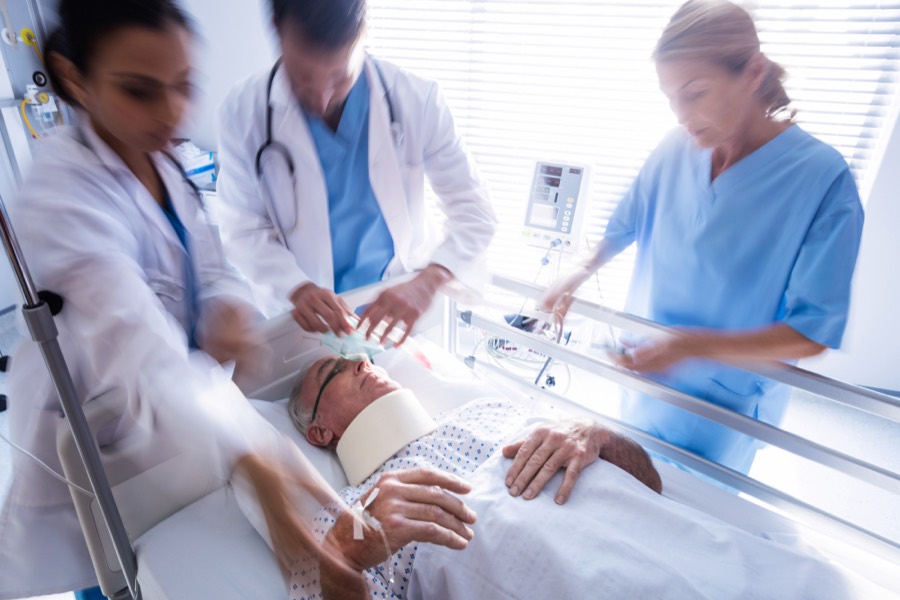
A full set of breathing tests measuring air flow, lung volumes and gas transfer to diagnose and monitor lung disease.
Read more
Pulmonology & Critical Care
Advanced Spirometry & Lung Function
A full set of breathing tests measuring air flow, lung volumes and gas transfer to diagnose and monitor lung disease.
Read more
 Pulmonology & Critical Care
FeNO Breath Analysis
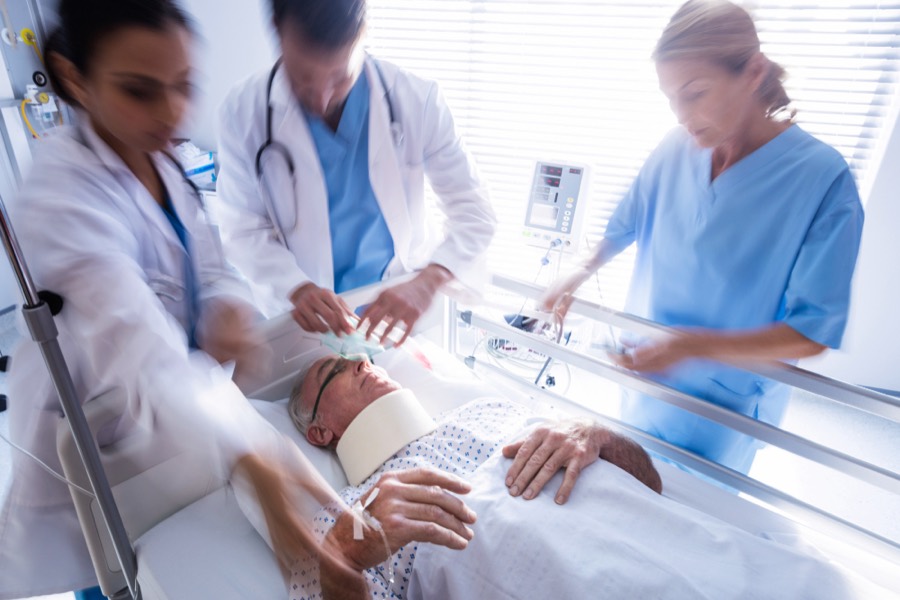
A simple breath test that measures airway inflammation and helps target asthma treatment and check it is working.
Read more
Pulmonology & Critical Care
FeNO Breath Analysis
A simple breath test that measures airway inflammation and helps target asthma treatment and check it is working.
Read more
 Pulmonology & Critical Care
Video Bronchoscopy
A thin camera passed into the airways under sedation to look directly at the lungs and take samples.
Read more
Pulmonology & Critical Care
Video Bronchoscopy
A thin camera passed into the airways under sedation to look directly at the lungs and take samples.
Read more
Prompt consultation access
Speak to the Pulmonology & Critical Care team
Consult a senior specialist at Kochi, or schedule a comprehensive check-up for yourself or a family member.
Pulmonology & Critical Care desk: +91 484 400 1000 · 24×7 helpline