Skin Biopsy
A small sample of skin taken under local anaesthetic and examined under the microscope to confirm a diagnosis.
A skin biopsy is the removal of a small sample of skin so that it can be examined under a microscope. It is a short procedure done under local anaesthetic in the clinic and is often the only …
Board-certified consultants · NABH-accredited AAF procedure suites
About the procedure
What Skin Biopsy involves
A skin biopsy is the removal of a small sample of skin so that it can be examined under a microscope. It is a short procedure done under local anaesthetic in the clinic and is often the only way to confirm exactly what a rash or lesion is. At Allergy Asthma Foundation it is carried out by an experienced team using current equipment and protocols, with clear information given before, during and after so that you know what to expect at every stage.
This page explains why the procedure is done, how to prepare, what happens on the day, and what recovery and follow-up involve. Your own consultant will go through the details that apply to your situation and answer any questions before you agree to go ahead.
Why it is done
A skin biopsy is usually recommended for one or more of the following reasons:
- A rash that has not been explained by examination alone
- A mole or spot that is new, changing, or looks unusual under the dermatoscope
- A lesion that could be a skin cancer or a pre-cancerous change
- A blistering or scaling condition where the pattern under the microscope guides treatment
- Suspected infection or inflammation that needs tissue confirmation
It is only offered when the expected benefit clearly outweighs the risks, and the decision is always made together with you. If a simpler test or treatment would answer the question or relieve the problem, that is tried first.
How to prepare
- You will have a pre-admission check of your fitness for anaesthesia, including blood tests and, where needed, an ECG.
- Tell the team about every medicine you take, especially blood thinners, and follow the instructions on which to pause and when.
- Do not eat for six hours before the operation; small sips of water are usually allowed until two hours before.
- Arrange for an adult to take you home and stay with you for the first night.
- Stop smoking as far in advance as you can — it lowers the risk of chest and wound problems.
What happens on the day
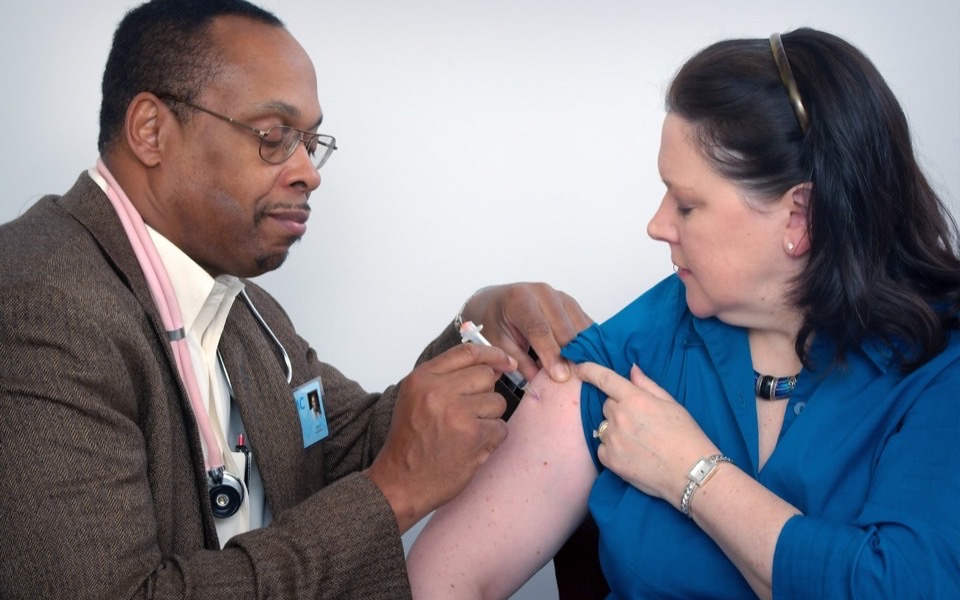
- The area is cleaned and a small injection of local anaesthetic numbs the skin; this stings briefly.
- A sample is taken — either a few millimetres punched out, a thin shave, or a small ellipse cut out.
- Any bleeding is stopped and the site is closed with a stitch or a dressing.
- The sample is labelled and sent to the histopathology laboratory.
- You are shown how to care for the site and given a follow-up plan.
After the procedure
You can go home immediately and return to normal activity the same day, keeping the site dry for 24 to 48 hours. Any stitches are removed after one to two weeks. A small, flat scar is usual and usually fades.
You will be given written instructions covering activity, wound or puncture-site care where relevant, which medicines to restart and when, and the warning signs that mean you should contact us or attend the emergency department. A follow-up appointment or a phone review is arranged before you leave.
Benefits and risks
The main benefit is a clear answer or effective treatment that changes what happens next — a firm diagnosis, a blocked passage reopened, symptoms brought under control, or a condition safely monitored over time. For most people the procedure is straightforward and complications are uncommon.
No procedure is entirely without risk. The ones to be aware of for this treatment include:
- Minor bleeding or bruising at the site
- Infection, which is uncommon and treated with antibiotics
- A scar, which is small but permanent
- Occasionally a sample that is inconclusive and needs repeating
The team is trained and equipped to recognise and manage these, and the consent discussion covers how likely each is in your case and what is done to reduce it.
Results and follow-up
The laboratory report usually takes a few working days, sometimes longer for complex cases. Your consultant explains what the result means in the context of your symptoms and examination, and sets out the next step — reassurance and discharge, a change of treatment, a further test, or a planned review. With your consent a summary is sent to your family doctor so that everyone caring for you is working from the same plan.
Questions patients ask
Do I need a referral?
You can book a consultation directly to discuss whether a skin biopsy is right for you. The procedure itself is arranged by the consultant after that discussion, once you have had time to consider it.
Will it hurt?
Discomfort is kept to a minimum with local anaesthetic, sedation or pain relief as appropriate to the procedure. The team will tell you exactly what you are likely to feel and will stop or pause if you need them to.
How long will I be at the hospital?
Most people are in and out within a few hours; where an overnight stay or a longer recovery is expected, that is explained clearly when the procedure is booked so you can plan around it.
To arrange a skin biopsy at your nearest AAF centre, book a consultation online or request a callback. Please bring a list of your current medicines and any previous test results or discharge summaries.
Your journey
Before, during and after your procedure
A clear, compassionate five-stage clinical pathway designed for safety, rapid recovery and confidence at every step.
-
01
Consultant evaluation
First visitA full symptom history, clinical examination and suitability screening before anything is scheduled.
-
02
Baseline diagnostics
Day −1 or the morningBlood work, imaging and any needed cross-consults to confirm the plan and set clear pre-procedure benchmarks.
-
03
Admission & preparation
On the dayGuided check-in, fasting and consent checks, and preparation by trained nursing staff in a private bay.
-
04
The procedure
In the suiteCarried out in an accredited day-care suite under direct consultant and resuscitation oversight.
-
05
Recovery & discharge
Same day / next morningMonitored recovery, clear written aftercare, and a scheduled consultant follow-up.
Speak to our clinical care coordinator
Get transparent guidance on consultant availability, pre-admission preparation and post-procedure care at Kochi.
Referral desk: +91 484 400 1000 24×7 emergency on-call