Speciality department
Orthopaedics
The orthopaedics department at Allergy Asthma Foundation treats problems of the bones, joints, muscles, ligaments and the spine. We look after planned…
Clinical overview
About the department
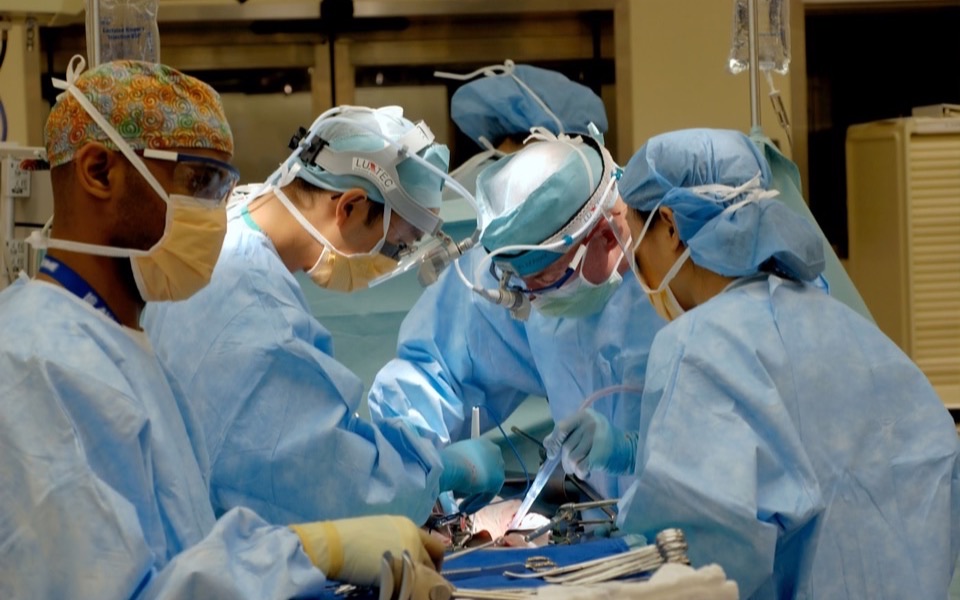
The orthopaedics department at Allergy Asthma Foundation treats problems of the bones, joints, muscles, ligaments and the spine. We look after planned conditions such as a worn hip or knee, sudden injuries from sport or a fall, and long-standing back and neck pain. Surgeons, physiotherapists, pain specialists and orthopaedic nurses plan care together so that surgery is only ever one option among several.
Each AAF centre runs dedicated joint, spine and sports-injury clinics, with modular operating theatres and an on-site physiotherapy gym for early rehabilitation. Where an operation is needed, we use a rapid-recovery approach that has most patients standing and walking with support on the day of surgery.
Conditions we care for
The team manages the full range of musculoskeletal problems, including:
- Osteoarthritis of the hip, knee and shoulder
- Sports injuries, including cruciate ligament and meniscus tears
- Rotator cuff problems and shoulder instability
- Fractures and complex trauma
- Back and neck pain, sciatica and slipped discs
- Carpal tunnel syndrome and other nerve compression
- Tendon problems such as tennis elbow and Achilles pain
- Foot and ankle conditions, including bunions
- Osteoporosis and fragility fractures in older adults
Tests and treatments
Assessment and diagnosis
- Clinical examination of the joint, limb or spine
- Digital X-ray, usually on the same visit
- MRI and CT scanning where soft tissue or fine bone detail is needed
- Nerve conduction studies for suspected nerve compression
- Bone density scanning for fracture risk
Treatment options
- Physiotherapy, activity advice and bracing
- Targeted joint and soft-tissue injections
- Arthroscopic (keyhole) surgery for the knee and shoulder
- Hip and knee replacement with computer-assisted alignment
- Ligament reconstruction and fracture fixation
- Structured post-operative rehabilitation
What happens at your first visit
- Your surgeon asks about the injury or pain, how it limits you, and what you have already tried.
- You have an examination of the affected area and, where useful, an X-ray during the visit.
- The findings are explained to you, along with what is causing the problem.
- You discuss the options, from physiotherapy to surgery, and the likely recovery for each.
- A written plan is shared with you and your family doctor.
How to prepare for your appointment
- Wear or bring clothing that lets the affected joint be examined easily.
- Bring any previous X-rays, MRI scans or reports.
- Bring the walking aid, brace or splint you currently use.
- Make a note of which movements or activities trigger the pain.
- List your medicines, including any blood thinners.
Care alongside other departments
Bone and joint health connects with the rest of the hospital. We work with general medicine to control diabetes and manage osteoporosis, with cardiology for a heart check before major surgery, with the pain service for long-term back pain, and with the physiotherapy team who guide recovery once you leave hospital. Older patients who come in after a fall are also reviewed for the cause of the fall, not only the fracture.
When to seek help sooner
Some symptoms should not wait for a routine appointment:
- A joint that is hot, very swollen and painful, especially with fever
- An injury with obvious deformity, or an inability to bear any weight
- Numbness, weakness or loss of bladder or bowel control with back pain
- A wound near a joint or fracture with spreading redness
- Sudden calf swelling and pain after surgery or a long period of rest
For these, use our 24-hour emergency line or attend the nearest emergency department.
Questions patients ask
Will I definitely need surgery?
Often not. Many joint and spine problems improve with physiotherapy, weight management, injections and time. Surgery is offered when simpler measures have not worked and the expected benefit is clear.
How long is recovery after a joint replacement?
Most people walk with aids within a day, manage stairs within a week or two, and return to routine activity over six to twelve weeks, guided by the physiotherapy team.
How long do modern implants last?
For most patients a hip or knee replacement lasts fifteen to twenty years or more, depending on age, weight and activity level.
To see an orthopaedic consultant at your nearest AAF centre, book an appointment online or request a callback and our team will arrange a suitable time.
The team
Consultants in Orthopaedics

Clinical pathways
Treatments & procedures
Evidence-based protocols delivered by the Orthopaedics team, with clear preparation guidance for every patient.
Prompt consultation access
Speak to the Orthopaedics team
Consult a senior specialist at Kozhikode, or schedule a comprehensive check-up for yourself or a family member.
Orthopaedics desk: +91 484 000 0000 · 24×7 helpline