Speciality department
Clinical Allergy & Immunology
Kerala's premier institute for molecular allergen diagnostics, sublingual and subcutaneous immunotherapy, biologic therapies and primary-immunodeficiency care.
Clinical overview
About the department
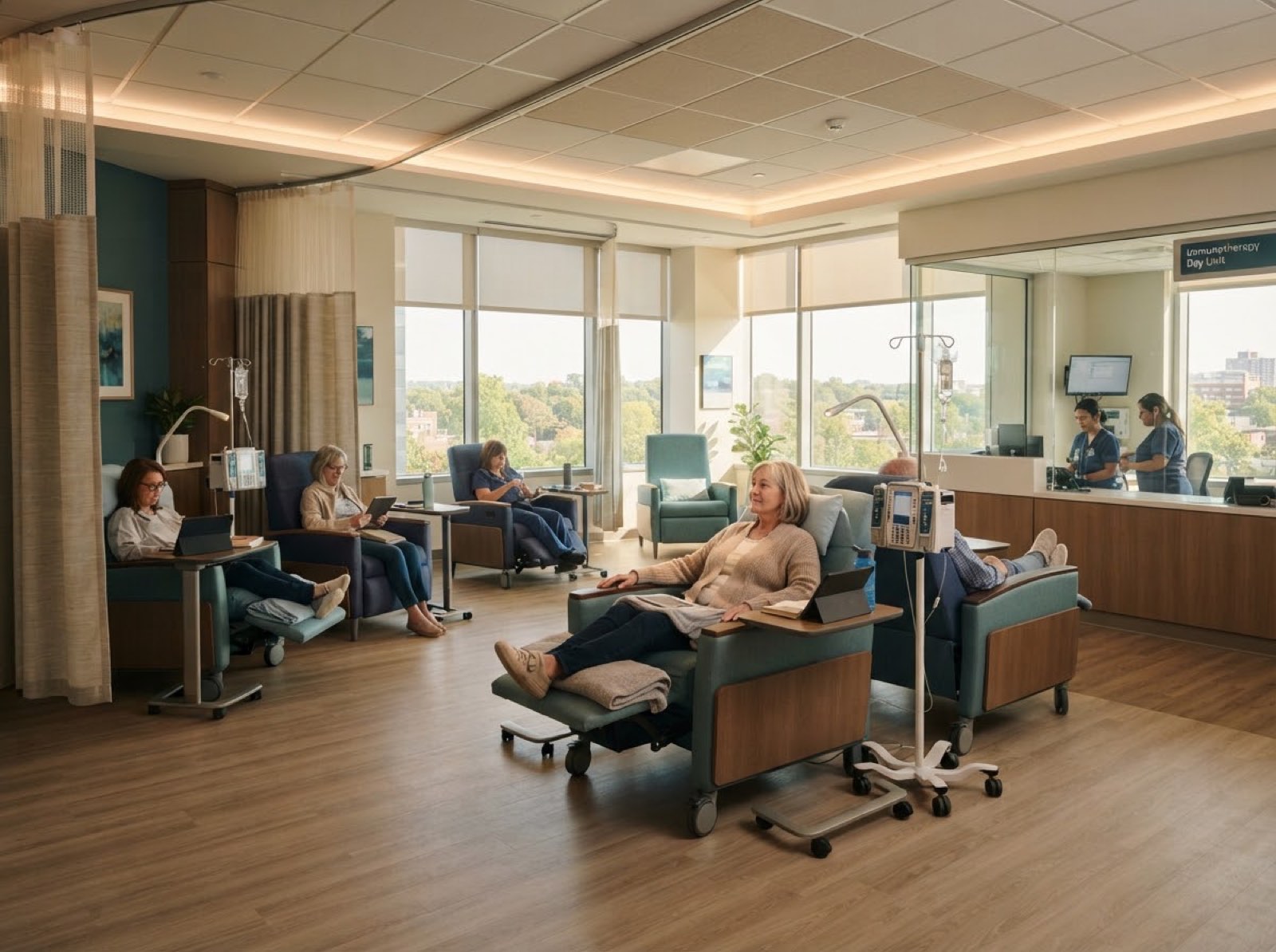
The clinical allergy and immunology department at Allergy Asthma Foundation diagnoses and treats allergic disease and disorders of the immune system. We care for people whose symptoms have never been fully explained, who react to foods, medicines or insect stings, and who need long-term treatment such as allergen immunotherapy or biologic therapy. Allergists, immunologists, specialist nurses and dietitians work together in a dedicated day-care wing.
Every AAF centre offers same-week outpatient review, on-site allergy testing with results the same day, and a supervised day unit for challenge tests, immunotherapy build-up and biologic infusions.
Conditions we care for
The department manages the full range of allergic and immunological problems, including:
- Allergic rhinitis (hay fever) and allergic conjunctivitis
- Asthma with a strong allergic trigger
- Food allergy, and unclear reactions to food
- Drug and vaccine allergy, including antibiotic and anaesthetic reactions
- Bee and wasp venom allergy
- Urticaria (hives) and angioedema, including long-lasting cases
- Eczema with a suspected allergic component
- Anaphylaxis and the need for an adrenaline auto-injector plan
- Recurrent or unusual infections suggesting a problem with immunity
Tests and treatments
Diagnosis
- Skin prick testing to foods, pollens, dust mite, moulds and animals
- Blood tests for specific IgE and component-resolved allergen testing
- Supervised food and drug challenge tests in the day unit
- Lung function and FeNO testing where asthma is involved
- Immune-system blood tests and vaccine-response checks
Treatment
- Personalised avoidance advice and dietitian support for food allergy
- Allergen immunotherapy (allergy vaccines) given under the skin or under the tongue
- Biologic therapy for severe asthma, chronic hives and nasal polyps
- Adrenaline auto-injector training and a written emergency plan
- Long-term follow-up for primary immunodeficiency, including antibody replacement
What happens at your first visit
- The allergist takes a detailed history: what happens, how soon after exposure, how often, and what makes it better or worse.
- Skin prick testing is usually carried out during the same visit, with results in about twenty minutes.
- Blood tests or a supervised challenge are arranged if the picture is still unclear.
- You receive an explanation of what you are and are not allergic to, and what that means day to day.
- A written management plan is shared with you and your family doctor.
How to prepare for your appointment
- Stop antihistamines for the number of days the team advises before skin testing; do not stop asthma or other preventer medicines.
- Bring a diary of reactions, with dates, foods or triggers, symptoms and how they were treated.
- Bring photographs of any rash or swelling if it has settled by the time of the visit.
- Bring the packaging or names of any foods or medicines involved.
- Bring your current adrenaline auto-injector and inhalers.
Care alongside other departments
Allergy touches many parts of the hospital. We work with pulmonology on severe and allergic asthma and shared biologic clinics, with ENT on allergic rhinitis and nasal polyps, with dermatology on eczema and hives, with paediatrics and paediatric respiratory medicine for children, and with the anaesthetic team when a drug allergy needs to be confirmed before surgery.
When to seek help urgently
Use your adrenaline auto-injector and call for an ambulance if you have signs of a severe allergic reaction:
- Swelling of the tongue, throat tightness or a change in your voice
- Difficulty breathing, wheeze or persistent cough
- Feeling faint, dizzy or suddenly very unwell after an exposure
- A widespread rash with vomiting or stomach cramps
Always seek emergency care after using an auto-injector, even if you feel better.
Questions patients ask
Do I need a referral?
No. You can book an allergy consultation directly. A referral letter and any previous test results help the allergist plan the right tests.
Will testing tell me exactly which foods to avoid?
Tests support the diagnosis but are read alongside your history. A positive test without matching symptoms does not always mean you need to avoid that food, which is why a supervised challenge is sometimes the clearest answer.
How long does allergen immunotherapy take?
It is a course of treatment over about three years, with regular visits at first and then less often. Many people notice a clear improvement within the first year.
To arrange a review with the allergy and immunology team at your nearest AAF centre, book online or request a callback and our coordinators will help.
The team
Consultants in Clinical Allergy & Immunology
Consultant profiles coming soon
Specialist profiles for this department are being added to the Thrissur clinical panel. Call our helpline and we’ll match you with the right consultant.
Call the helplineClinical pathways
Treatments & procedures
Evidence-based protocols delivered by the Clinical Allergy & Immunology team, with clear preparation guidance for every patient.
 Clinical Allergy & Immunology
Component Allergen Testing
A blood test that identifies the exact protein you react to, which helps predict how serious a reaction is likely to be.
Read more
Clinical Allergy & Immunology
Component Allergen Testing
A blood test that identifies the exact protein you react to, which helps predict how serious a reaction is likely to be.
Read more
 Clinical Allergy & Immunology
Allergen Immunotherapy (SCIT / SLIT)
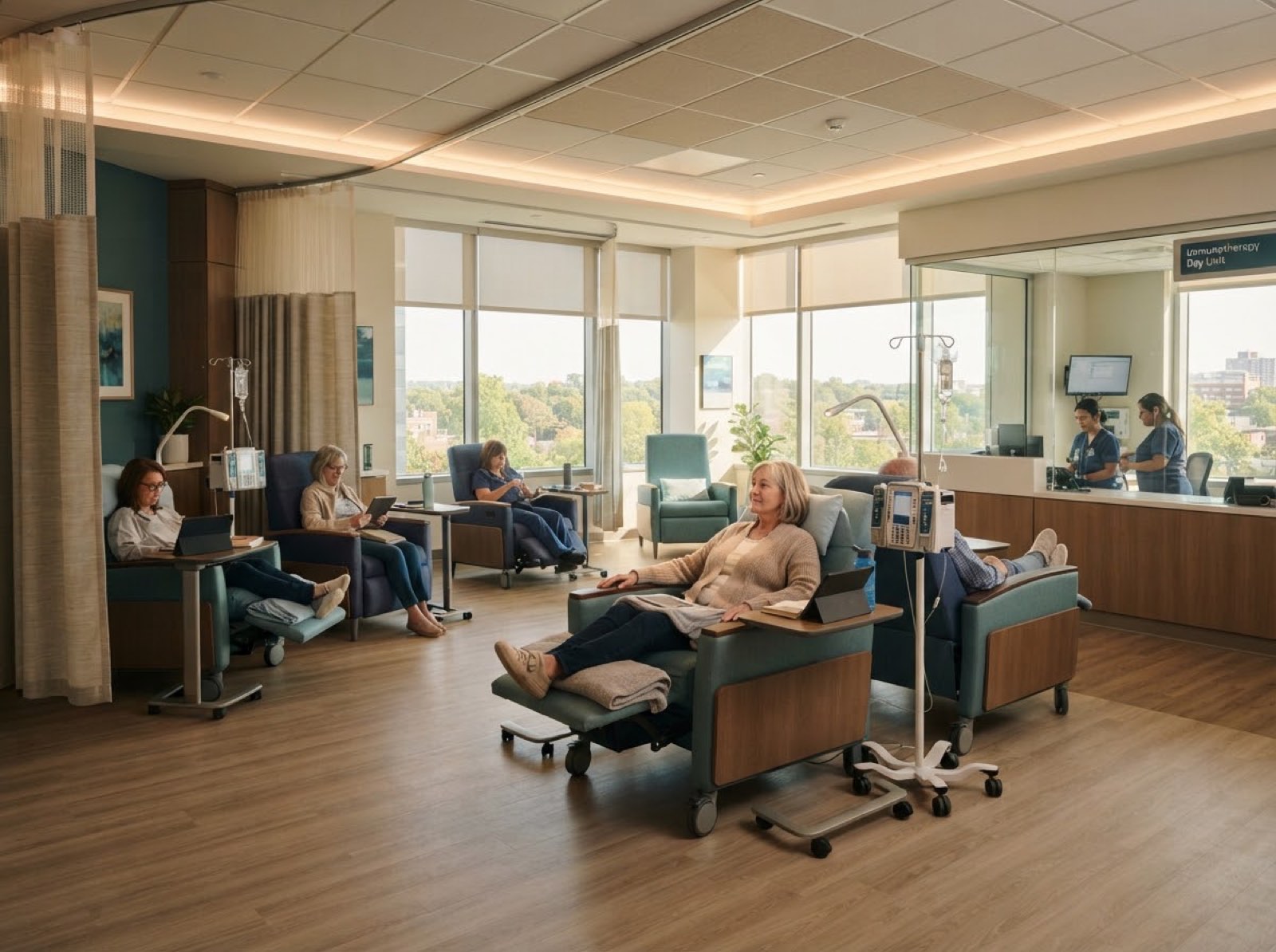
A course of allergy vaccines, given under the skin or under the tongue, that retrains the immune system over about three years.
Read more
Clinical Allergy & Immunology
Allergen Immunotherapy (SCIT / SLIT)
A course of allergy vaccines, given under the skin or under the tongue, that retrains the immune system over about three years.
Read more
 Clinical Allergy & Immunology
Biologic Therapy Clinic
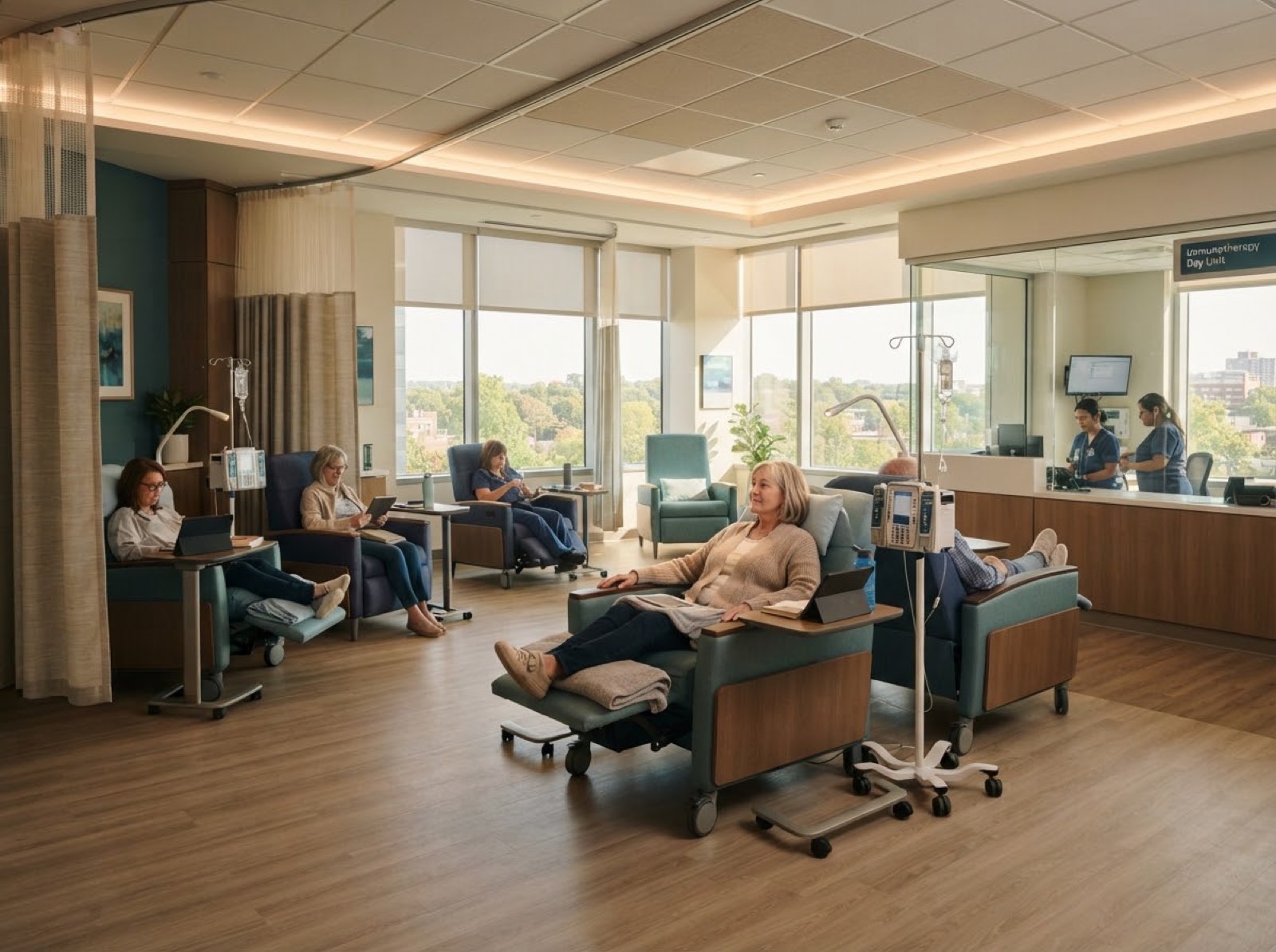
Targeted antibody treatments for severe asthma, chronic hives and nasal polyps, given as an injection or a supervised infusion.
Read more
Clinical Allergy & Immunology
Biologic Therapy Clinic
Targeted antibody treatments for severe asthma, chronic hives and nasal polyps, given as an injection or a supervised infusion.
Read more
Prompt consultation access
Speak to the Clinical Allergy & Immunology team
Consult a senior specialist at Thrissur, or schedule a comprehensive check-up for yourself or a family member.
Clinical Allergy & Immunology desk: +91 484 000 0000 · 24×7 helpline